
Nutrition for Mental Health: What to Eat and What to Avoid
Quick Summary / TL;DR
What you eat can influence mood, energy, and resilience—mostly through the gut–brain connection, inflammation, and blood sugar stability.
Build balanced plates
Fiber + protein + healthy fats help keep energy steadier and reduce “crash” moods.
Support your gut
Plants + fermented foods can help keep the microbiome diverse and supported.
Reduce inflammation drivers
Swap ultra-processed staples for whole foods more often.
Be medication-aware
Some foods (like grapefruit) can interact with certain prescriptions.
- Colorful fruits & vegetables
- Omega-3 sources (fatty fish, flax, walnuts)
- Whole grains, beans, lentils
- Lean proteins (eggs, poultry, fish, legumes)
- Fermented foods (yogurt/kefir/kimchi)
- Healthy fats (olive oil, avocado, nuts)
- Ultra-processed & sugary staples
- Frequent salty snack foods
- Refined carbs & deep-fried foods
- Alcohol (especially excess)
- Too much caffeine (esp. late day)
Common examples: grapefruit can affect how some medications are metabolized; MAOI antidepressants require strict avoidance of tyramine-rich foods (aged cheeses, cured meats, some fermented items).
Nutrition has a significant impact on your mental health because what you eat shapes your mood and your energy. A colorful, balanced meal can leave you feeling steady and focused, while heavy, sugary foods often do the opposite.
It’s important to take a whole-person approach to mental wellness by looking beyond symptoms to the many factors that influence how you feel. Let’s explore which foods can help lift your mood, which may have a negative impact, and what science says about eating for a healthier mind.
How Nutrition Impacts Mental Health
What you eat directly affects how you feel. The gut, brain, immune system, and blood sugar all work together to shape mood, energy, and emotional resilience. Research shows that nutrition influences mental health in several ways, such as:
- The gut–brain connection: Your gut microbiome helps produce and regulate neurotransmitters like serotonin (often called the “feel-good” chemical), which plays a significant role in mood, sleep, and emotional balance. This connection is called the “gut-brain axis.”
- Inflammation and mood: While short-term inflammation helps the body heal, chronic inflammation has been linked to depression and anxiety, especially when diets are high in processed foods and low in whole, nutrient-dense options.
- Blood sugar stability: Meals rich in fiber, protein, and complex carbohydrates help keep blood sugar steady, which supports consistent energy and fewer mood crashes.
And it goes both ways. Stress, anxiety, and low mood can also shape food choices, often driving cravings for quick comfort foods that may worsen symptoms over time.
Foods That Support a Happier, Healthier Mind
Whole, nutrient-dense foods help regulate brain chemistry, nourish your gut, steady your energy, and keep inflammation in check.

Fruits and Vegetables
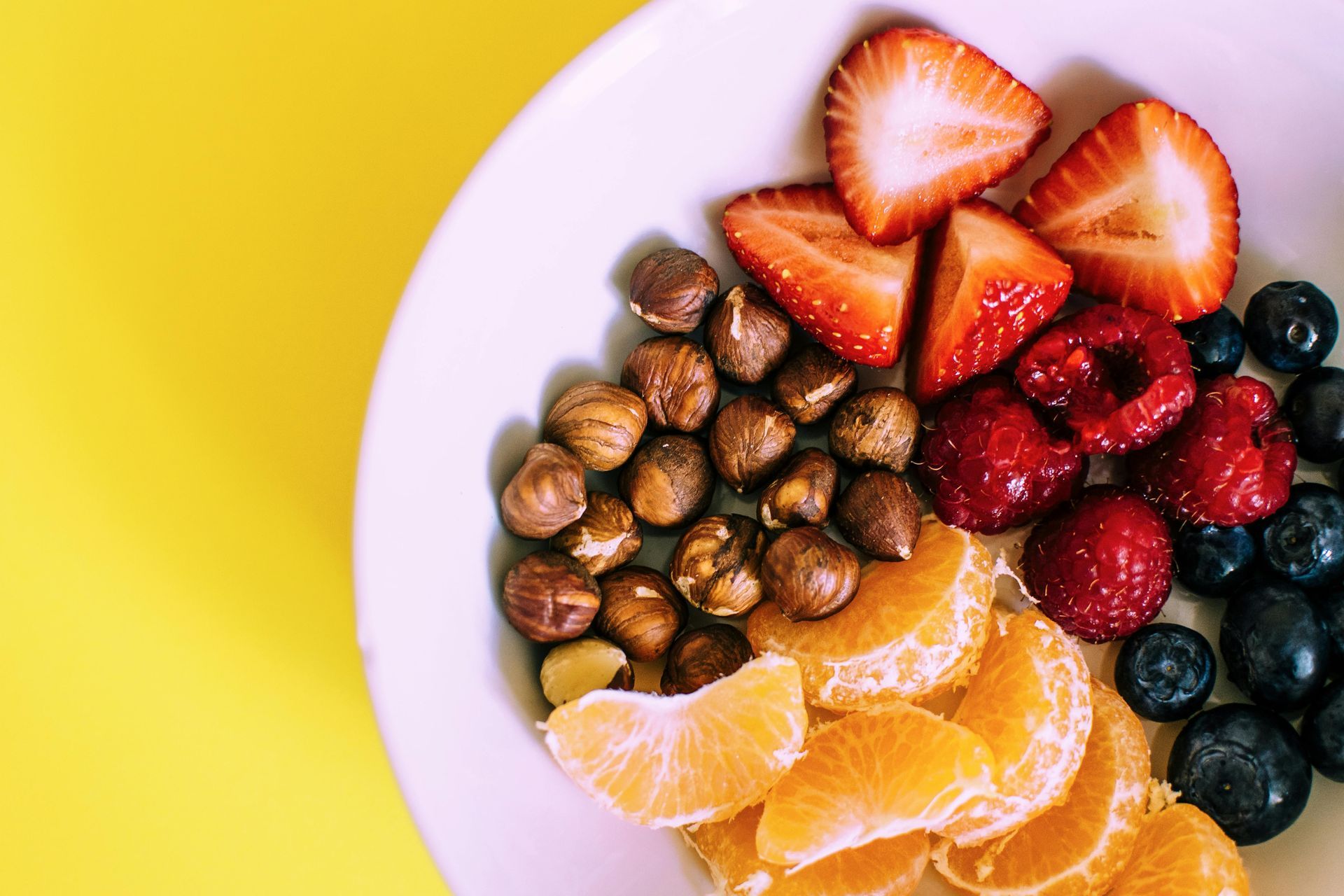
Bright, colorful produce delivers antioxidants, fiber, folate, and polyphenols that protect brain cells and support healthy gut bacteria. Research links frequent fruit intake with better mood and higher well-being, yet most U.S. adults still fall far short of recommended daily servings.
Omega-3–Rich Foods
Salmon, sardines, trout, flaxseeds, and walnuts are rich in omega-3 fatty acids, which play a key role in brain function. Studies suggest omega-3s may ease depressive symptoms and even enhance the effects of SSRIs when used alongside standard treatment. Research also finds that higher fish intake may lead to lower depression rates in young adults.
Whole Grains, Legumes, and Fiber
Foods like oats, brown rice, beans, lentils, and quinoa offer complex carbohydrates and fiber that stabilize blood sugar and feed beneficial gut bacteria. That fermentation process produces short-chain fatty acids, which are compounds tied to better gut and brain health.
Lean Proteins and Amino Acids
Eggs, poultry, fish, beans, and low-fat dairy provide amino acids. Amino acids are the raw materials your brain uses to make neurotransmitters like serotonin and dopamine, which influence mood and motivation.
Fermented and Probiotic Foods
Yogurt, kefir, kimchi, and sauerkraut introduce helpful bacteria, including Lactobacillus species, which research links to greater resilience to stress and anxiety through the gut–immune–brain pathway.
Healthy Fats
Olive oil, avocados, nuts, and seeds support brain blood flow and reduce inflammation. These foods are staples of the
Mediterranean diet. Among all dietary approaches studied so far, the Mediterranean diet has the strongest evidence for reducing depressive symptoms.
Smart swaps for steadier energy & mood
If you notice crashes after certain foods, try one small swap at a time.
| Often spikes/crashes | More steady option |
|---|---|
| Sugary drink (soda / sweet coffee) quick sugar | Sparkling water + citrus, or unsweet tea hydration |
| Pastry / candy refined carbs | Greek yogurt + berries, or oats + nut butter protein + fiber |
| Chips / salty snacks high salt | Nuts, roasted chickpeas, or hummus + whole-grain crackers nutrient-dense |
| Fried fast food low nutrients | Grilled bowl/salad with protein + olive-oil dressing Mediterranean-style |
Foods That May Worsen Your Mood
Some foods can actively work against your mental well-being, especially when they become everyday staples.

Ultra-Processed and Sugary Foods
Ultra-processed foods are often high in refined carbs and additives but low in nutrients. Diets heavy in these foods have been linked to higher rates of depression. Research also points to artificially sweetened beverages and sweeteners as potential contributors to increased depression risk.
Savory Snack Foods
Studies associate frequent consumption of chips and other salty snacks with higher anxiety symptoms and more everyday cognitive slips, like forgetfulness and trouble concentrating.
Refined Carbs and Fried Foods
White bread, pastries, and deep-fried foods can spike blood sugar quickly, followed by a crash that leaves you tired and irritable. Over time, these foods can increase your risk of mental and physical health problems because they lack brain-healthy nutrients.
Alcohol and Excess Caffeine
Too much alcohol or caffeine can disrupt sleep, heighten anxiety, worsen mood, and interact with certain medications, making negative mental health symptoms harder to manage
Foods to Avoid When Taking Antidepressants
When you’re on an antidepressant, what’s on your plate can matter more than you might think. Certain foods and drinks can change how medications are absorbed or broken down in your body, sometimes with serious consequences.
Talk with your doctor or pharmacist before making dietary changes or assuming a food is “safe.” When in doubt, ask. Your care team can help you navigate food–medication interactions safely.
Grapefruit and Certain Medications
Grapefruit and grapefruit juice can block an enzyme your body uses to metabolize many drugs. According to the National Capital Poison Center, grapefruit can cause medication levels to rise to overdose-like levels, even with regular doses. Be sure to check the label of your medication for any warnings about grapefruit.
MAOIs and Tyramine-Rich Foods
If you’re prescribed an MAOI antidepressant, certain foods become dangerous. Aged cheeses, cured meats, soy sauce, and fermented foods can trigger sudden, severe spikes in blood pressure due to your blood having high levels of tyramine. MAOIs are rarely used today, but the risks make strict dietary guidance critical.
Tips for Eating for Better Mental Health
Small, consistent eating habits can make a real difference for your mental health. Try building your routine around these simple strategies:
- Eat regular meals. Skipping meals can lead to blood sugar dips that trigger irritability, fatigue, and brain fog.
- Build colorful plates. Aim for a mix of fruits, vegetables, whole grains, lean proteins, and healthy fats to cover key nutrients that support mental health.
- Choose nutrient-dense snacks. Nuts, yogurt, fruit, hummus, or whole-grain options help sustain energy and curb cravings for processed foods.
- Stay hydrated. Even mild dehydration can affect your mood and energy levels.
- Eat mindfully. Slow down to enjoy your food, tune into hunger and fullness, and pay attention to which meals leave you feeling emotionally balanced.
5 small habits that add up
Check off what you’re already doing. Then pick one to add this week.
Find Nutrition and Mental Health Support in Friendswood, TX
Eating well matters. So does exercise. Both can support brain health and make tough days feel a little more manageable. But for many people, especially those with persistent depression symptoms or treatment-resistant depression, healthy habits alone don’t bring full relief.
Friendswood TMS can help. Alongside FDA-approved,
non-medication TMS therapy, we offer a
Nutrition and Exercise Review to look at the whole picture of your wellness. We work with you to build a plan that supports your brain, your body, and your everyday life because mental health affects physical health (and vice versa).
If you’re ready to feel your best from the inside out, contact us today.
HELPFUL LINKS
SCHEDULE A CONSULTATION
It's important to know that you are not alone. You can get help with depression today!
WE SUPPORT MENTAL WELLNESS
- Depression
- Anxiety
- ADHD
- OCD
- Adjustment Disorders
- Life Transitions
- Autism Management
- Binge Eating Disorders
- Smoking Cessation